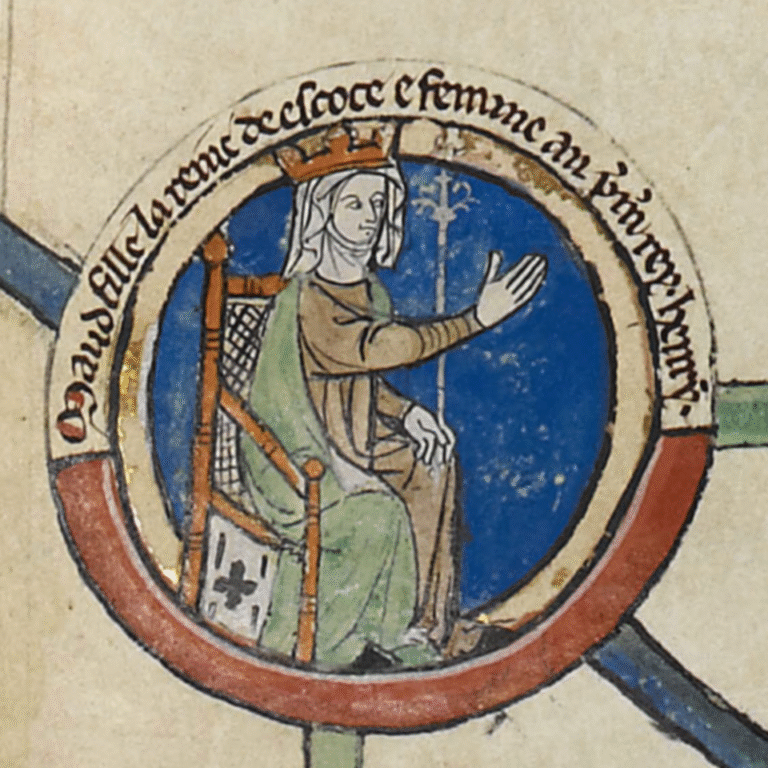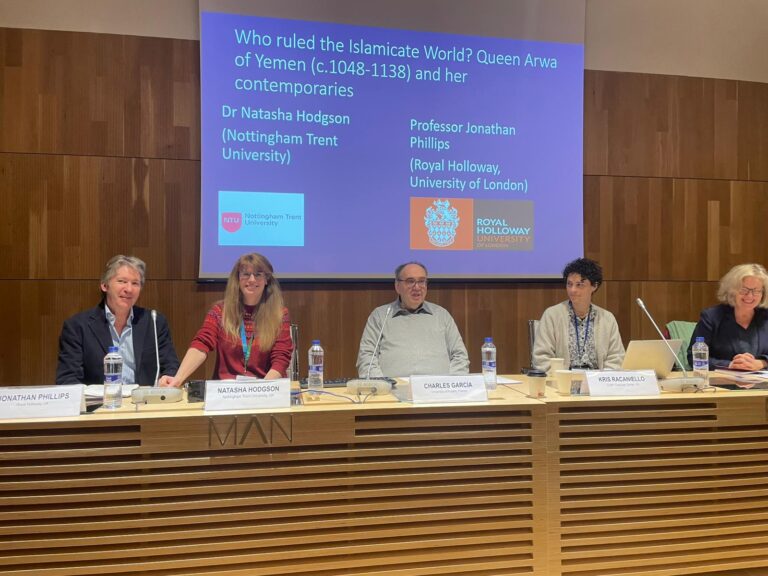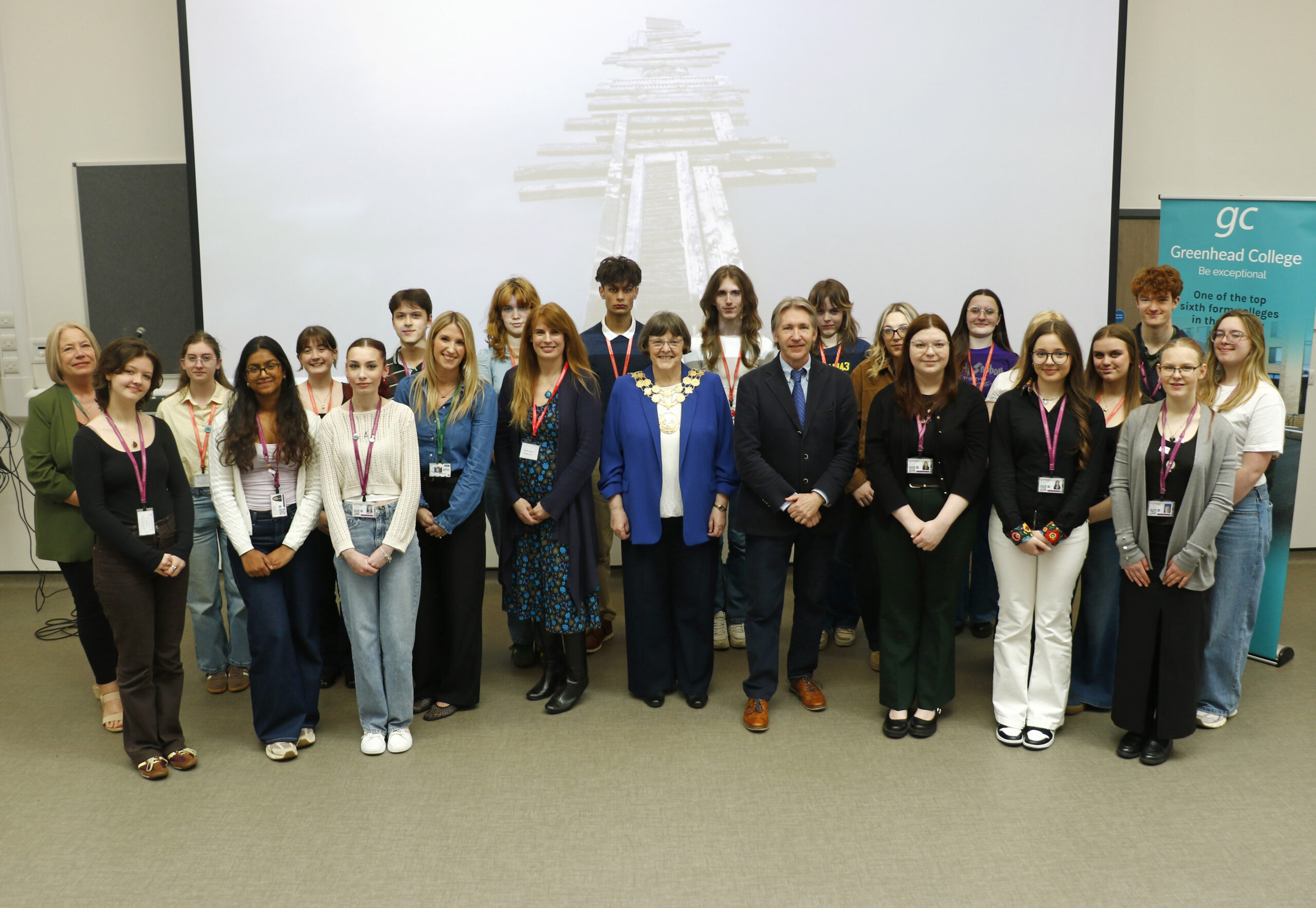
Last week Teaching Medieval Women were delighted to be invited to the History Festival at Greenhead College in Huddersfield. The purpose of the visit was to see the results of a fantastic A-Level history enrichment programme organized by History teacher Joanna Donaghey with support from TMW. Since January, the students have been learning about the lives of Medieval Women through different case studies, including Melisende of Jerusalem, Eleanore of Aquitaine, Licoricia of Winchester, Shajar al-Durr, and Margaret of Beverley in order to understand better the power and authority of medieval women, and also to consider more broadly why such women who had widely known reputations and authority in their own times do not often appear in our school text books or exam questions.
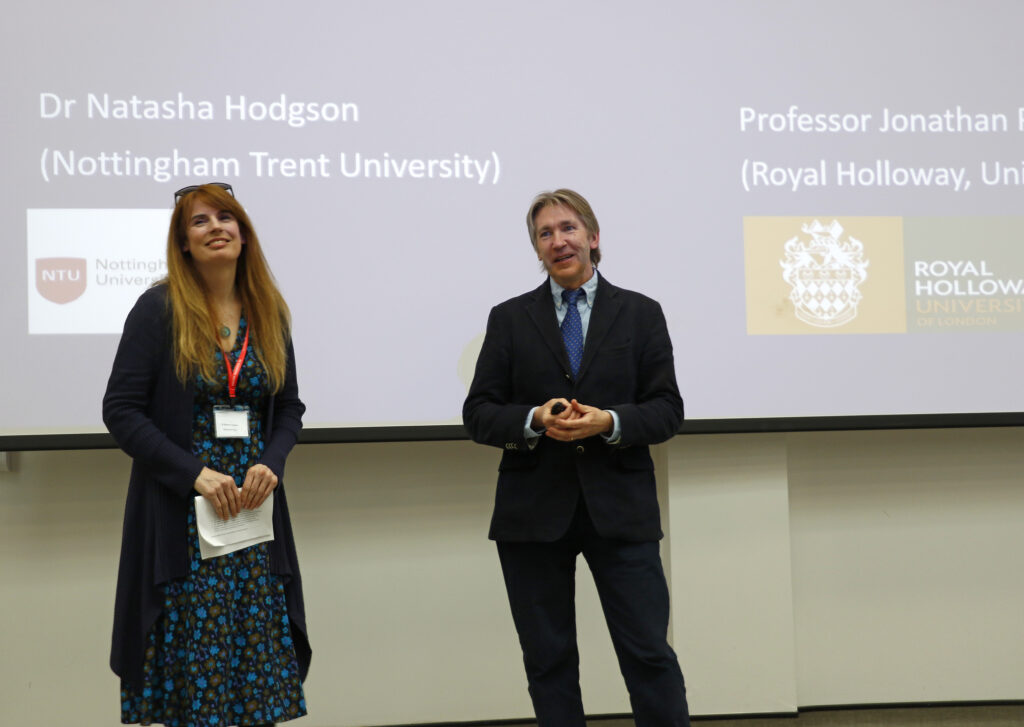
The event was attended not only by the 23 students who participated in the module, but also students and History teachers from nearby schools, exam boards AQA and Pearson, and Historic Royal Palaces, as well as the Mayor of Kirklees Liz Smaje (also a keen History buff!) who launched the event. After opening talks from Joanna and TMW’s Natasha Hodgson and Jonathan Phillips which introduced the module and highlighted some additional examples (the daughters of Eleanor of Aquitaine: Joanna of Sicily, Matilda of Saxony and Leonor of Castile) the students who took the module gave PowerPoint presentations or posters of their own.
Both Natasha and Jonathan were incredibly impressed with the standard and quality of the presentations, the confidence of the students in articulating their ideas, and the passion with which they spoke and presented their work. It was clear that they had gone beyond the initial resources that they were supplied with to undertake their own research and had followed up questions which met with their own interests. Some had really gelled with a particular individual’s story, while others were more keen to explore themes like crusading, or material culture. Many also considered more general questions about power, movement and religious diversity. Their medieval knowledge was detailed and thorough, but it was interesting to see also how the students were framing their learning experience, and what they thought about the current lack of women in their own school History education.
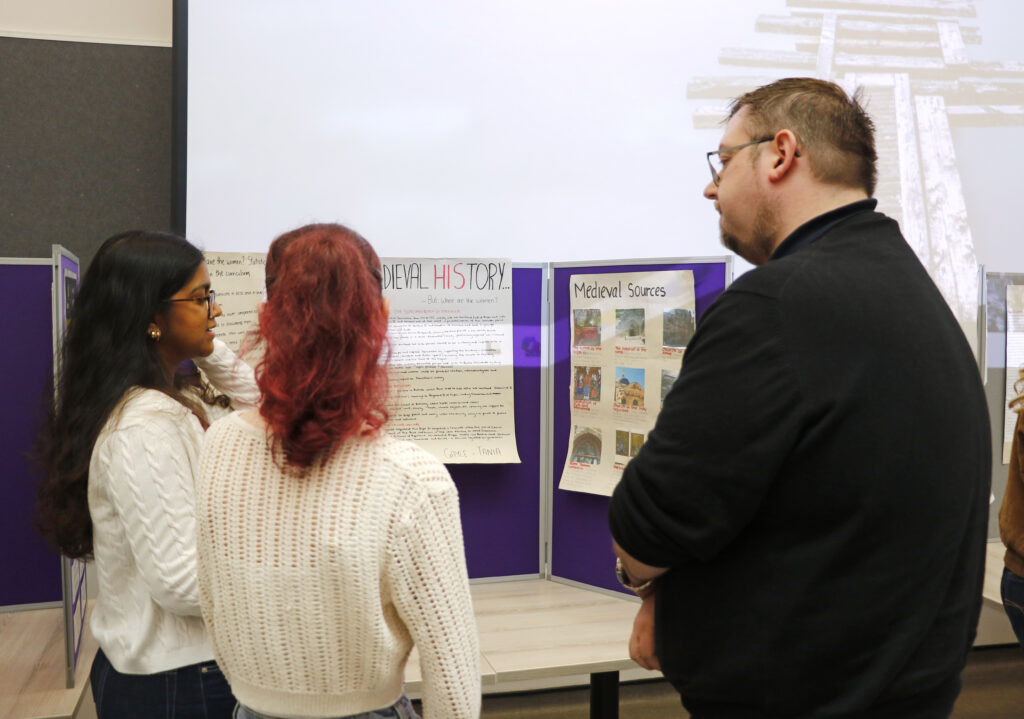
All of the young women and men who presented made strong cases for the inclusion of more women, and expressed concerns about women being ‘erased from the History taught in school’. One student reflected on a GCSE experience of the only lesson on a woman in the ‘Medicine Through Time’ module (Florence Nightingale) being cut due to time constraints. Some presenters spoke about feeling unrepresented and wanting to see themselves more in the History content, while others reflected on how studying these women challenged what they thought they knew about women’s past importance, beliefs about their fragility, their power, wealth and active involvement in politics.
It was clear to see that they found some women’s stories inspiring, from Shajar al-Durr who rose from captivity as a slave to become sultan of Egypt, to the wealthiest women in England, Licoricia of Winchester, managing a huge financial portfolio with a high degree of skill. It was great to see them including statistics from some recent research, both the TMW report on women in assessments and the ESIS Great History Heist report to contextualise their experiences. They were also able to critique secondary sources, highlighting the gender bias in articles on sites like Wikipedia where historic women’s family connections are often prioritized over their achievements. Through this process, it was clear that not only had they enriched their learning about medieval women, they showed that they had gained a sophisticated understanding of the power of History to shape ideas in modern cultures. This was a powerful reminder of how important it is to deliver representative History in schools which values the contributions of a range of people and communities to modern societies.
Nothing can express this better than the students’ words themselves, so we would like to share with you just a few of the many excellent quotes from the students’ presentations and posters which articulated some of these issues so well:
‘Why we think women should be more prevalent in our A-Level’
‘I’ve always had an interest in history but my love for it began with seeing myself in What I was studying. It was Cleopatra and Boudicca that changed History. I think it is so important for people to see themselves in what they study…’
‘…educating ourselves on how women were able to make a lasting impact despite the restrictions of medieval society provides a great example of female capability, directly opposing the narrative of women’s fragility that still persists today…’
‘The Forgotten Women of History’
‘The patriarchy has meant that women have been vastly excluded from history even though we’ve always been here. In changing the definition of power, we can see that there were lots of powerful medieval women who have been forgotten…The issue isn’t that there weren’t powerful women, or even that not enough research has been done, it’s that there isn’t enough awareness, an awareness which should begin in schools.’
‘Strength within their Stories’
‘…women…were just as, if not more, powerful and strong as the men we talk about in our classrooms. So why do we choose to ignore their place within our history? Licoricia [of Winchester], Shajar al-Durr, Melisende and Margaret [of Beverley] all show that women were not just confined to the roles placed on them by the society they lived in.’
“Why is studying women important?”
‘Women make up 50% of the population, yet in the GCSE and A-level history curriculum only 6% of questions directed students to discuss women (of which ¼ were Elizabeth I), whereas 36% of the questions directly mentioned men.’
‘Medieval Women need to be taught about more in schools as they are as important as the men.’
Huge congratulations to Joanna and the staff and students at Greenhead for putting on a fantastic History Festival. If you would be interested in running a similar enrichment module or EPQ, do get in touch with us at TMW.